| Quick Answer: Sippy cups themselves aren’t the problem — how they’re used is. All-day sipping of juice, milk, or other sugary drinks bathes the teeth in sugar and causes decay, especially in the summer heat when kids drink more. Use sippy cups for water between meals, save milk and juice for mealtimes, never send a child to bed with one, and start transitioning to an open cup around age one. |
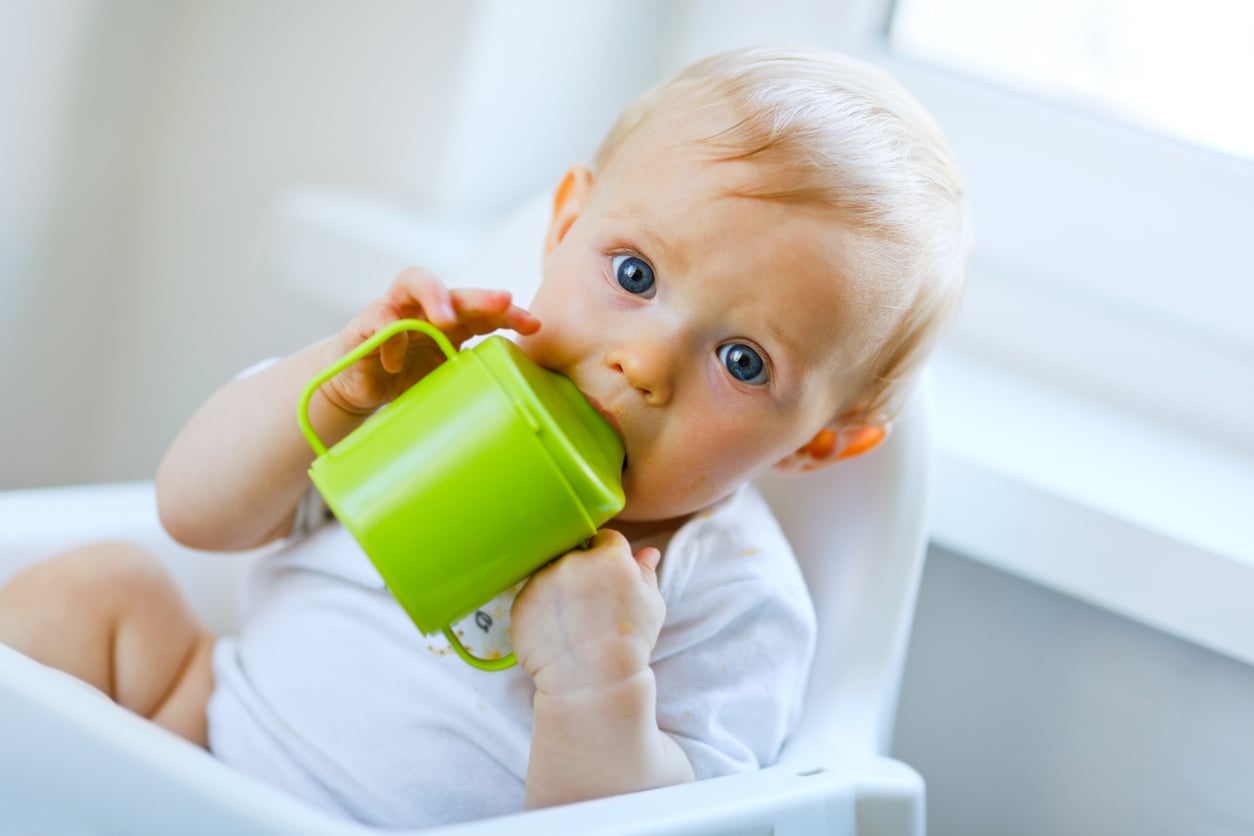
Sippy cups are a summer staple for keeping little ones hydrated — but the way they’re used can quietly harm baby teeth. At Tiny Teeth in Goodyear and Phoenix, our pediatric dentists see the results of all-day sipping often. Here’s how to keep your baby hydrated without the cavities.
How Sippy Cups Can Hurt Teeth
The danger isn’t the cup — it’s constant sipping of sugary liquids. When a toddler carries a sippy cup of juice or milk around all day, their teeth are bathed in sugar over and over, with no break for saliva to wash it away. That repeated acid attack leads to decay, often on the front teeth — the same pattern as baby bottle tooth decay.
Why Summer Makes It Worse
In the Arizona heat, kids drink more and more often — and if those drinks are juice, sports drinks, or sweetened milk, that’s a lot of extra sugar exposure. The all-day grazing pattern that summer encourages is exactly what cavities love.
Smart Sippy-Cup Habits
- Fill sippy cups with water for between-meal sipping; save milk and juice for mealtimes.
- Don’t let your child carry a cup of sugary liquid around all day.
- Never put your child to bed with a cup of anything but water.
- Limit juice overall — even 100% juice is concentrated sugar for teeth.
- Wipe or brush teeth after sugary drinks.
When to Transition to an Open Cup
Pediatric and dental guidelines suggest moving away from the bottle and toward an open or straw cup around your child’s first birthday, finishing the transition by about 15 to 18 months. Spill-proof valve cups encourage the same constant sipping a bottle does, so don’t lean on them long-term. Open and straw cups are gentler on teeth and support healthy development.
Protecting Those First Teeth
- Brush twice a day with a rice-grain smear of fluoride toothpaste.
- Offer water as the main between-meal drink.
- Keep that first dental visit by age one.
Visit Tiny Teeth in Goodyear & Phoenix
Worried about your toddler’s sippy-cup habits or their first teeth? Our pediatric dental practices in Goodyear and Phoenix love caring for the littlest patients. We accept AHCCCS and most plans — bring your little one in by their first birthday.
Frequently Asked Questions
Are sippy cups bad for my baby’s teeth?
The cup itself isn’t the problem — all-day sipping of juice, milk, or sugary drinks is. That bathes the teeth in sugar and causes decay. Use sippy cups for water between meals and save sweet drinks for mealtimes.
Why are sippy cups worse in summer?
Kids drink more in the heat. If those drinks are juice or sweetened, it adds a lot of extra sugar exposure, and the all-day sipping pattern is exactly what causes cavities.
When should I stop using a sippy cup?
Start transitioning to an open or straw cup around the first birthday and finish by about 15 to 18 months. Spill-proof valve cups encourage constant sipping, so don’t rely on them long-term.
What should I put in my toddler’s sippy cup?
Water for between-meal sipping. Save milk and juice for mealtimes, and never send your child to bed with a cup of anything but water.
How do I protect my baby’s first teeth?
Brush twice daily with a rice-grain smear of fluoride toothpaste, offer water between meals, limit sugary drinks, and visit the dentist by age one.
|
Keeping a toddler hydrated this summer? We truly care about your child’s health and happiness. Reach out to get your child’s appointment scheduled. We can’t wait to see you. Tiny Teeth Kids’ Dentistry & Orthodontics │ Goodyear: 15661 W Roosevelt St, #102, Goodyear, AZ 85338 • Phoenix: 2316 W Bethany Home Rd, #110, Phoenix, AZ 85015 │ (623) 882-1400 (Goodyear) / (602) 776-9700 (Phoenix) │ Contact Us → |